
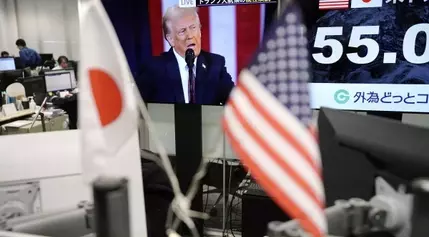
Asian stock markets experienced gains on Friday, following the positive performance of U.S. stocks and significant monetary policy changes by the Bank of Japan. Despite a slight dip in U.S. futures and oil prices due to comments from President Trump regarding crude oil costs, market sentiment remained resilient. The central bank's decision to raise interest rates marked a shift from years of low borrowing costs, while economic indicators like inflation showed promising signs of growth.
The Impact of Rising Interest Rates and Inflation
The Bank of Japan’s move to increase its benchmark rate to 0.5% has sparked discussions about the future direction of monetary policy in Asia. This adjustment comes after core inflation reached a 16-month high of 3%, surpassing the central bank's target. Investors are now closely monitoring how these changes will influence borrowing and spending patterns across the region.
Historically low interest rates have been a cornerstone of Japan’s economic strategy for stimulating growth. However, with the recent rate hike, the focus shifts towards balancing inflationary pressures. The yen strengthened against the dollar, trading at 155.24 yen per dollar, reflecting investor confidence in the central bank's ability to manage the economy effectively. Analysts predict that this could lead to increased capital inflows into Japan as higher returns attract global investors.
Global Market Trends and Investor Sentiment
Stock markets in Hong Kong, Shanghai, Seoul, and Sydney all reported gains, driven by the positive momentum from Wall Street. The S&P 500 and Dow Jones Industrial Average set new records, bolstered by steady performance in the U.S. bond market. Treasury yields, which had fluctuated significantly in recent months, showed relative stability, easing concerns about inflation and government debt.
President Trump’s remarks on potential tariffs did not cause immediate market turbulence, but traders remain cautious. Cryptocurrency markets also saw volatility, with bitcoin dropping below 3,000. Oil prices dipped slightly, influenced by Trump’s call for lower crude costs. Overall, the global financial landscape continues to be shaped by a mix of economic data, policy decisions, and geopolitical factors, all contributing to a complex yet stable market environment.