
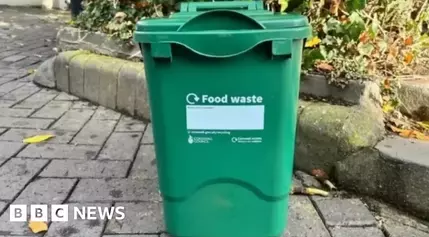
Simplify Waste Disposal with Cornwall Council's Guidance
Tea Bags and Their Place in Food Waste
Tea bags are an integral part of our morning or afternoon tea breaks. However, when it comes to waste disposal, Cornwall Council has made it clear that these tea bags can be included in the food waste bins. They are a biodegradable item that breaks down over time and can be composted along with other food waste. This not only helps in reducing the amount of waste going to landfills but also contributes to the creation of nutrient-rich compost. By including tea bags in the food waste, we are taking a small but significant step towards a more sustainable future.Imagine the number of tea bags that are used daily in households across Cornwall. When these are properly disposed of in the food waste bins, it adds up to a considerable amount of organic matter that can be turned into useful compost. It's a simple act that has a big impact on the environment.
Vegetable Peelings and Their Role in Food Waste
Vegetable peelings are a common sight in every kitchen. From peeling carrots to cutting off the ends of broccoli, these peelings often end up in the trash. But Cornwall Council wants us to think differently. These vegetable peelings are a valuable source of organic matter that can be composted. By adding them to the food waste bins, we are providing nourishment to the soil and reducing the need for chemical fertilizers.Think about the amount of vegetable peelings that are generated in a household over a week or a month. When collected and composted, they can be used to enrich the soil in gardens and parks, promoting healthy plant growth. It's a win-win situation for both the environment and our gardens.
Eggshells and Their Inclusion in Food Waste
Eggshells are often considered a waste product, but Cornwall Council sees them as a valuable addition to the food waste. These hard shells are made mainly of calcium carbonate and can be broken down and composted. They add calcium and other minerals to the compost, making it more beneficial for plants.When we add eggshells to the food waste bins, we are not only reducing waste but also providing a natural source of nutrients for the soil. It's a simple way to give back to the earth and support sustainable gardening practices.
Banana Skins and Their Place in Food Waste
Banana skins are a common item that is often thrown away without a second thought. But Cornwall Council encourages us to include them in the food waste bins. These thin and flexible skins are biodegradable and can be composted along with other food waste.Banana skins are rich in potassium and other nutrients that can benefit plants when composted. By adding them to the food waste, we are recycling a valuable resource and reducing waste. It's a small change that can make a big difference in the long run.